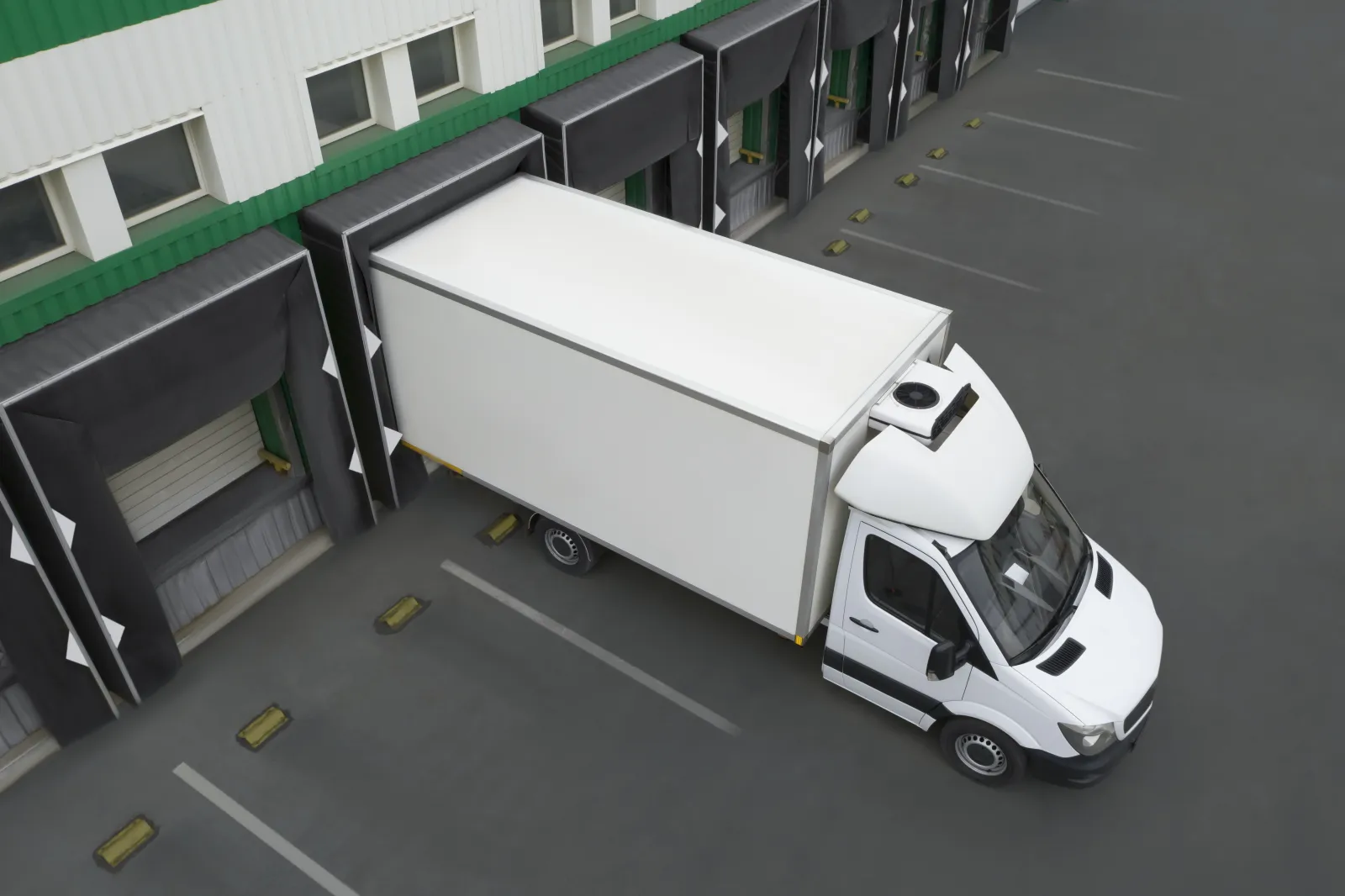

Most foreign-owned subsidiaries in Türkiye have the e-Fatura (e-invoice) story under control. The one that quietly catches them out is its logistics cousin: e-İrsaliye, the electronic delivery note. The date has already passed: entities registered for e-Fatura with 2025 turnover of TRY 10 million or more have been required to use e-İrsaliye since 1 July 2026. The reason it deserves separate attention from invoicing is simple and physical: an invoice can wait until month-end, but a delivery note is the document that lets goods leave the building.
Note: Thresholds, sector-specific scopes and exemptions change. Confirm your exact obligation with your Turkish CPA (SMMM) and the Revenue Administration (GİB).
Why this is operationally different from e-invoicing
When HQ hears "another document goes digital," it files e-İrsaliye next to e-Fatura and moves on. That's the mistake. Invoicing is a back-office, batch-friendly process. The delivery note is real-time and on the critical path of every shipment:
- The truck cannot dispatch goods without the delivery note.
- If your system can't generate the e-İrsaliye number at the moment of shipment, the shipment waits at the dock.
- A distribution operation doing dozens or hundreds of dispatches a day needs the note produced in seconds, since any latency becomes a queue at the loading bay.
So a last-minute switch doesn't risk a late filing; it risks stopping dispatch. That is why this transition could not be left to the last minute.
What e-İrsaliye actually is
It is not a scanned paper note or a PDF emailed to the buyer. It's a digitally generated, electronically signed delivery document created in the GİB system before goods move, transmitted electronically to the recipient, who acknowledges it electronically. Roadside checks can verify it digitally, so drivers no longer carry stacks of paper notes.
The convenience comes with a condition: the process that produces the note has to run without interruption, every time.
Who is in scope
The headline rule: registered e-Fatura users with 2025 gross sales of TRY 10 million or more have had to use e-İrsaliye since 1 July 2026.
On top of that, there are sector-based obligations independent of turnover: fuel, iron and steel, fruit-and-vegetable commission merchants, fertiliser, tobacco, sugar and similar categories appear on separate lists. So "we're under the turnover line" isn't the end of the analysis; check whether your sector carries a specific scope. These lists change, so verify with your CPA.
What to get right if you have not yet transitioned
The questions that matter for a foreign-owned operation that is still catching up:
- Have you confirmed with your CPA whether 2025 turnover actually puts you in scope?
- Does your sector carry a turnover-independent obligation?
- Will e-İrsaliye be generated from your ERP (driven by the stock movement) or keyed separately in a portal? At real dispatch volumes, separate keying means entering the same data twice, which is slow and error-prone.
- Are your financial seal and required certificates ready? These come with an application lead time; left to the last day, they may not arrive in time.
- Have you run a test dispatch end-to-end? Has warehouse staff used the new flow at least once?
- Do you have a defined procedure for internet or system outages? (e-İrsaliye has continuity rules; drivers and dispatchers need to know the fallback.)
The integration point that prevents bottlenecks
The clean pattern is: the order is confirmed and the warehouse picks it, then at dispatch the e-İrsaliye is generated automatically from the stock movement, transmitted to GİB and delivered to the buyer, and the truck leaves. One data entry, one source of truth. The alternative, keying the note into a government portal separately from your ERP, works for a handful of shipments a day and breaks at scale.
How Birasyo handles it
In Birasyo ERP, e-İrsaliye is a native part of the dispatch flow: the delivery note is generated from the stock movement, transmitted to GİB through an authorised integrator, and the buyer's response returns to the system. e-Fatura, e-Arşiv and e-İrsaliye run on the same backbone, so you're not opening separate portals and re-entering data. If your Turkish entity has not completed the transition yet, book a session and we'll map a transition plan to your dispatch volume the same day.
Sources
Dates and thresholds below are as of May 2026; scope and exemptions change, so confirm with your CPA:
- GİB e-İrsaliye Application: official portal
- Licensed integrator guide: 2026 e-Invoice and e-Ledger Transition Guide
Related reads:
Share this post on LinkedIn
The title, summary and hashtags are copied to your clipboard and the sharing window opens. Paste (Cmd/Ctrl+V) and post.