Compliance
13 posts


What Foreign-Owned Subsidiaries Need to Know as GİB's e-Beyan VAT Filing Platform Reaches Ankara and Kocaeli
As of the July 2026 filing period, Türkiye's Revenue Administration moved VAT returns for 18 more provinces (including Ankara and Kocaeli) onto its new open-source e-Beyan platform. Here's what changes for foreign-owned entities and their SMMM.
e-Fatura Onboarding Steps for Foreign-Owned Turkish Subsidiaries
Türkiye's e-invoicing (e-Fatura) system is mandatory above modest revenue thresholds, including for foreign-owned subsidiaries. Most parent companies underestimate the setup. A practical, step-by-step guide to onboarding a Turkish subsidiary onto e-Fatura without panic.

2026 Turkish Tax Calendar and Key Deadlines for Foreign-Owned Operations
If you run a Turkish subsidiary from abroad, knowing the rhythm of Turkish tax obligations is the difference between calm operations and last-minute crises. A practical month-by-month calendar of what your Türkiye-based finance team must file, when, and why.

Türkiye's e-Delivery Note (e-İrsaliye) Mandate Has Been in Force Since 1 July 2026
Foreign-owned entities track Türkiye's e-invoice rules but often overlook the e-İrsaliye (electronic delivery note) mandate. If your 2025 turnover topped TRY 10 million, the mandate has applied since 1 July 2026. Unlike invoices, a delivery note is what physically lets a truck leave your yard.

Inventory Valuation Methods Under VUK and IFRS for Foreign-Owned Turkish Entities
Inventory valuation looks like a back-office detail until it moves your profit, your tax base and your group numbers in different directions. This guide explains FIFO and weighted-average under VUK and IFRS, the NRV test, and how an ERP keeps both views consistent.

Fixed Asset Management, Depreciation and Revaluation in Türkiye
Fixed assets are a major balance-sheet item for any Turkish entity, but local depreciation rules, optional revaluation and the VUK-versus-IFRS gap make them surprisingly complex for foreign owners. This guide explains the mechanics and the ERP capabilities you need.
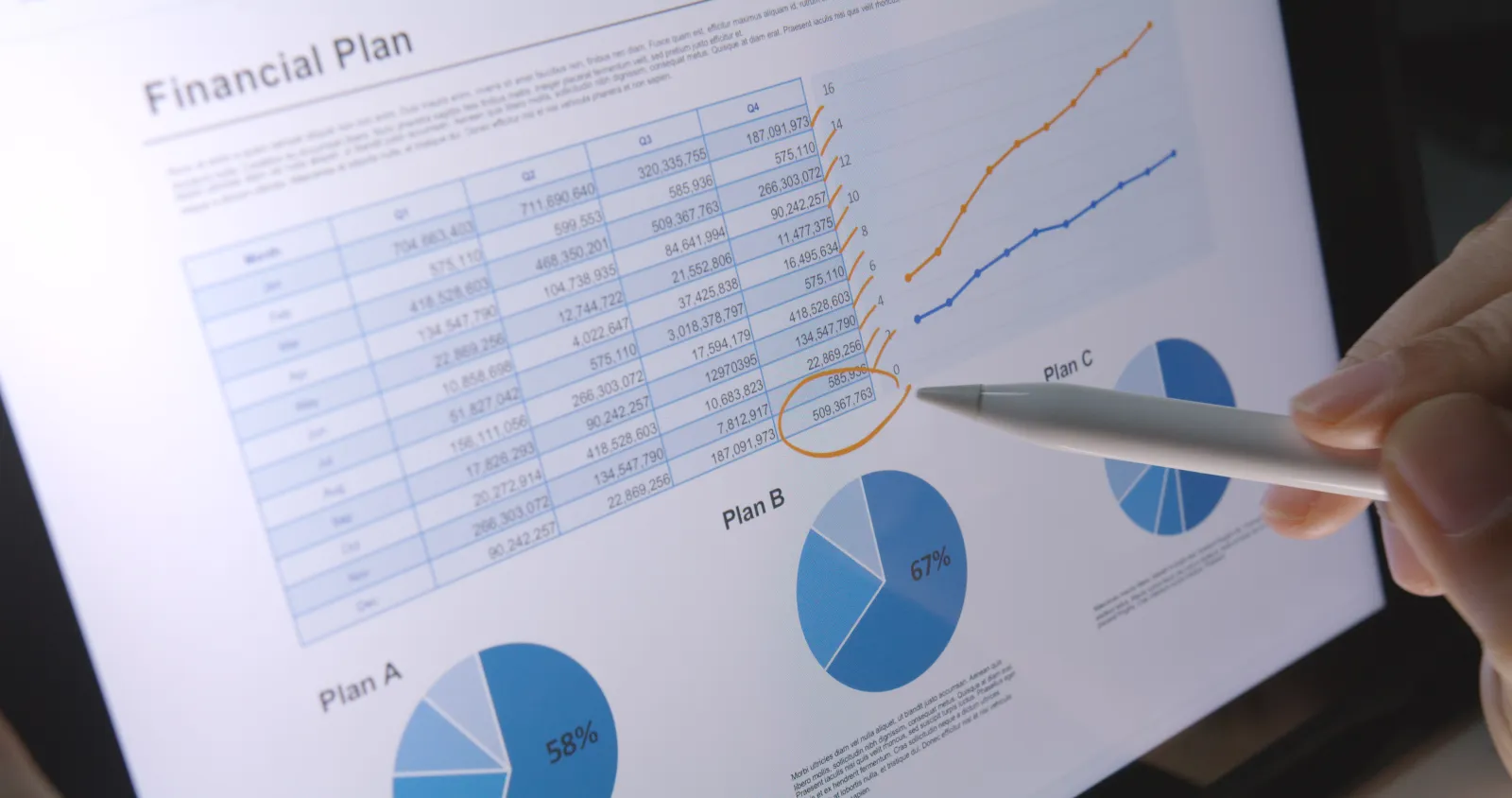
Budgeting and Cash Flow Forecasting for a Turkish Entity in a Volatile-FX Market
A Turkish subsidiary that budgets only in TL gives headquarters a moving target. This guide explains dual-currency budgeting, the 13-week cash forecast, FX-scenario planning, and how to give a foreign parent a forecast it can actually rely on.

Cybersecurity and Data Localization Compliance in Türkiye with ISO 27001, KVKK and ERP Controls
Foreign-owned companies in Türkiye increasingly face dual cybersecurity demands: home-country frameworks (ISO 27001, SOC 2, NIS2) and Turkish-specific requirements (KVKK, BTK obligations, data localization expectations). This guide explains where these intersect at the ERP layer.

Converting a Turkish Subsidiary's VUK Books into IFRS Group Reports in EUR or USD
Foreign HQs frequently get late, manually-reconciled reports from their Turkish subsidiary because the local books follow VUK and the group expects IFRS. This guide explains how a Turkish ERP can produce both views from the same transactions and shorten the group close.

What Turkish Inspectors Look For in ERP Audit Logs
Tax inspections, KVKK reviews and independent audits in Türkiye increasingly focus on ERP audit logs. This guide explains what an immutable audit trail must capture, how long records are retained, and the 6 questions inspectors ask that surprise foreign-owned subsidiaries.

Day-1 ERP and Compliance Checklist for Setting Up a Türkiye Subsidiary
Foreign companies opening a Turkish subsidiary often defer ERP setup until the entity is 'big enough', usually six months too late. This day-1 checklist covers tax registration, e-Document mandate, CPA appointment, payroll, and the ERP capabilities needed before your first invoice.

KVKK vs GDPR Compliance in ERP Systems for Multinational Subsidiaries
Türkiye's KVKK (Law 6698) and the EU's GDPR overlap on most principles but diverge sharply on cross-border transfer, VERBİS registration and ERP audit-trail expectations. This cheat sheet maps both onto practical ERP controls for 2026.
What Türkiye's January 2026 e-Invoice Reform Means for Foreign Suppliers
On 1 January 2026 Türkiye effectively ended paper invoicing. Foreign suppliers selling to Turkish buyers, marketplaces and subsidiaries must understand e-Fatura, e-Arşiv, the 3M TL e-Defter threshold and new e-Gider Pusulası rules. Here is the practical cheat sheet.